In today’s world, our eyes face unprecedented challenges. Prolonged exposure to sunlight, digital screens, High-Energy Visible (HEV) Light, Blue-Violet Light, infrared radiation, and ever-changing environmental conditions can all lead to eye strain, visual fatigue, and long-term eye health concerns. As consumer awareness grows, the role of eyewear is no longer limited to simple vision correction or UV protection. Modern functional lenses are designed to provide comprehensive eye protection, enhanced visual comfort, and improved visual performance tailored to diverse lifestyles and environments.
With various functional lens technologies addressing common eye care and ocular health needs currently available on the market, how should we choose the right one? Join me today as we take a closer look at some of the most popular solutions in advanced lens technology.
UV420 Lenses: Beyond Traditional UV Protection
1. What is a UV420 Lens?
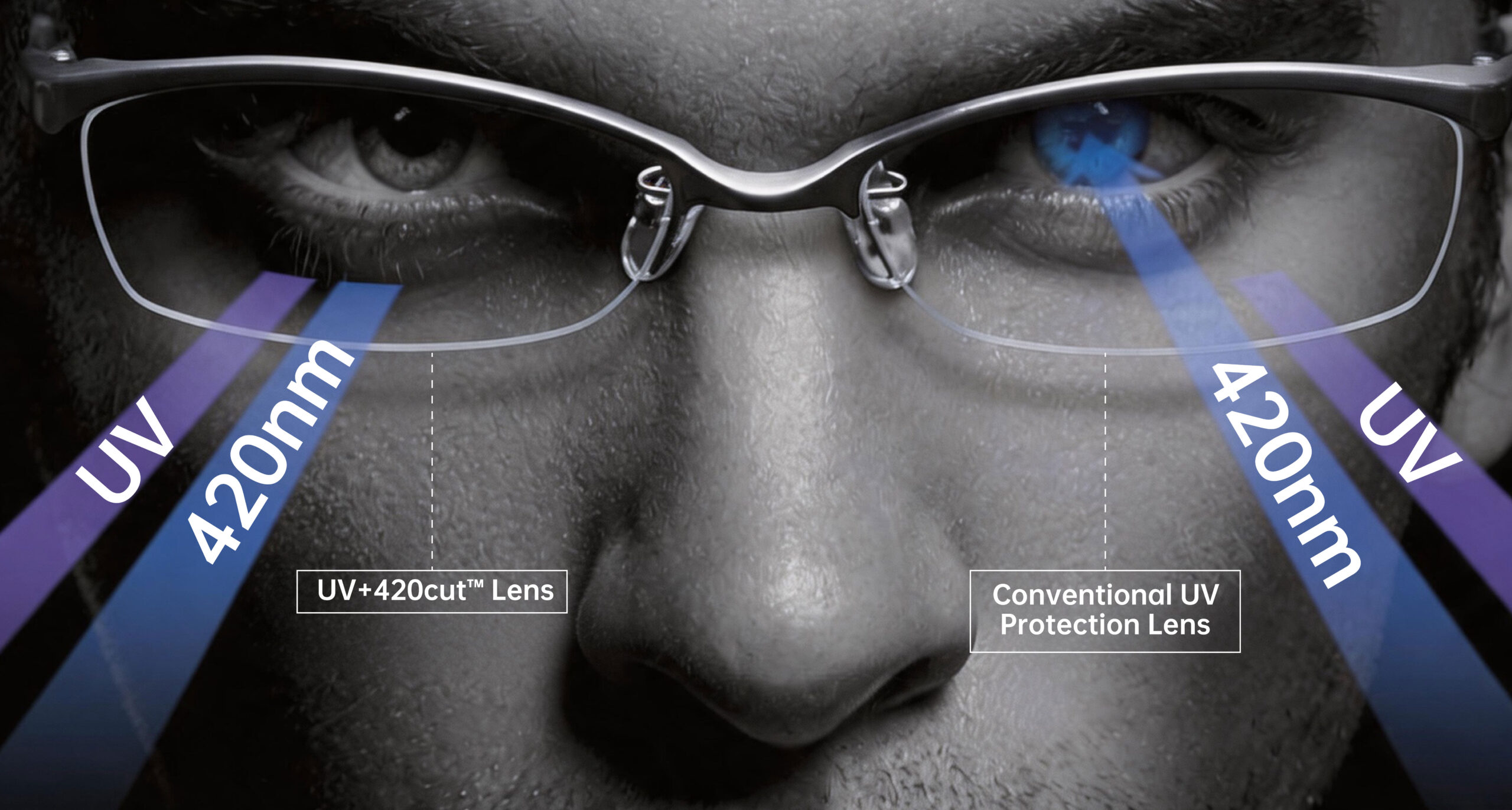
A UV420 lens is developed using specialized optical technology to provide protection against both ultraviolet radiation and selected wavelengths of high-energy visible (HEV) light. In addition to blocking harmful UV-A and UV-B rays, it reduces the transmission of light within the 400–420nm wavelength range, which is recognized as part of the blue-violet light spectrum. By filtering both ultraviolet radiation and high-energy visible light, UV420 lenses provide broader eye protection and are increasingly used in applications focused on visual comfort, outdoor eye protection, and overall eye health.
2. What is HEV Light?
High-Energy Visible (HEV) light refers to the portion of the visible spectrum with wavelengths between 400nm and 500nm. Compared with longer visible wavelengths, light within this range carries relatively higher energy.
In a standardized cell-culture study conducted by Professor Funk and his research team, retinal nerve cells exposed to 411nm light were found to experience greater oxidative stress than cells exposed to 470nm light. Signs of cellular apoptosis were also observed under shorter-wavelength exposure.
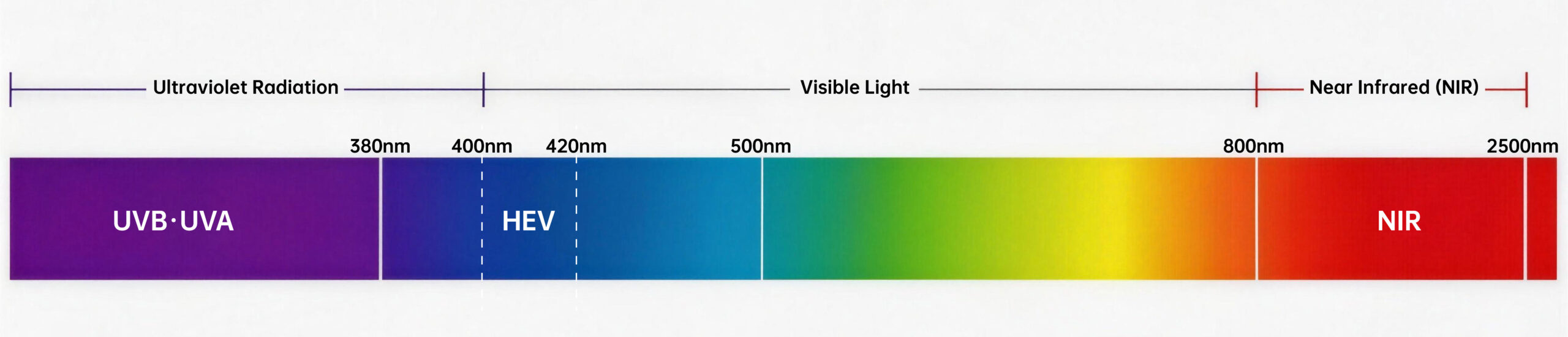
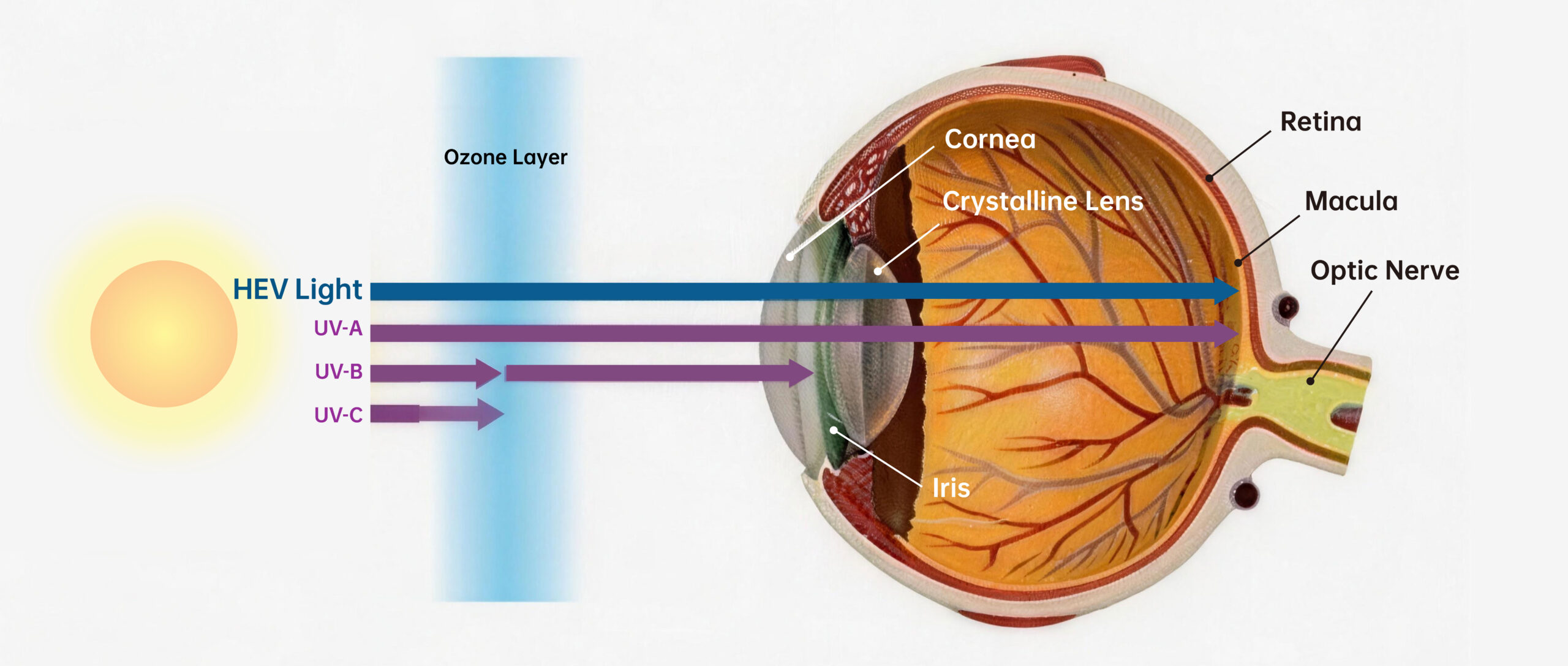
For this reason, attention is often focused on the 400–420nm wavelength range, which represents some of the highest-energy visible light reaching the eye. Managing exposure to these wavelengths is considered beneficial, particularly for younger individuals whose crystalline lenses remain highly transparent and who spend significant time outdoors. Such protection is commonly associated with efforts to reduce light-related risks linked to conditions including cataracts and age-related macular degeneration (AMD).
3. UV400, UV410 and UV420: What’s the Difference?
Although UV400, UV410, and UV420 lenses are all designed to provide UV protection, there are several differences in their filtering performance and lens appearance.
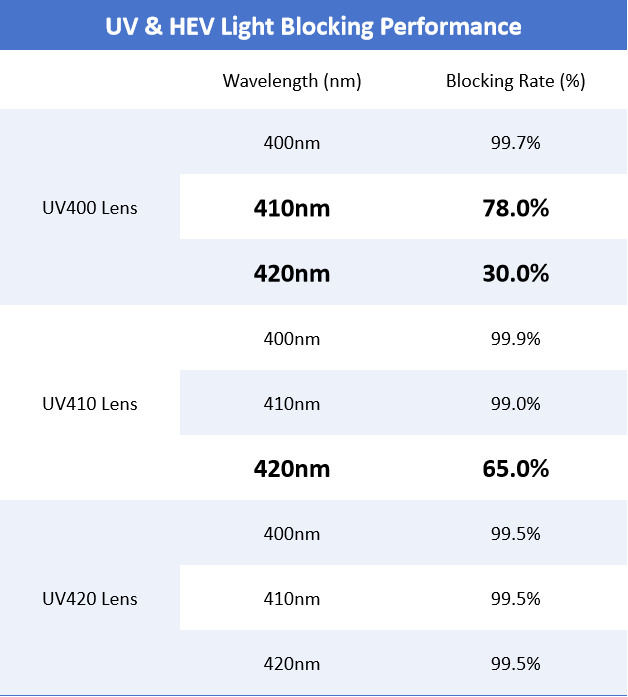
UV Protection: All three lens types effectively block ultraviolet radiation, including harmful UV-A and UV-B rays.
HEV Light Filtering: The main difference lies in their ability to filter High-Energy Visible (HEV) light. As the protection level increases from UV400 to UV420, a greater portion of short-wavelength visible light is filtered.
Lens Tint: Another difference is lens color. Both UV400 and UV410 lenses can be produced with a nearly clear appearance. UV420 lenses, however, typically exhibit a slight yellow tint due to their additional filtering capability within the blue-violet light spectrum. The tint is generally more noticeable in Category 0 and Category 1 lenses, while it becomes less apparent in darker Category 2 and Category 3 lenses.
In simple terms, UV400 lenses are primarily designed for precise ultraviolet protection, whereas UV420 lenses provide broader protection by filtering both ultraviolet radiation and a portion of blue-violet light.
4. Which One Should You Choose?
Although UV420 lenses provide a broader range of light filtering, they are not necessarily the ideal choice for every situation.
For everyday use, UV400 lenses are sufficient for most people. Whether for daily commuting, driving, or general outdoor activities, sunglasses with UV400 protection can block more than 99% of harmful ultraviolet radiation, providing a reliable foundation for everyday eye protection.
For individuals who spend extended periods in intense sunlight, such as at the beach, on the water, or in snowy environments, UV420 lenses may offer additional visual comfort by filtering a portion of blue-violet light. This can help create a softer visual experience under bright conditions.
One consideration, however, is lens color. Because UV420 lenses filter part of the blue-violet spectrum, they typically exhibit a slight yellow or amber tint. While this characteristic is generally acceptable for everyday activities, it may influence color perception and therefore may be less suitable for situations requiring highly accurate color recognition.
In practical terms, UV400 represents the standard level of UV protection for everyday use, while UV420 extends protection into part of the visible light spectrum, offering an additional layer of filtering with a trade-off in color neutrality.
Infrared Protection Lenses: Defending Eyes Against Invisible Heat
1. What Is Infrared Radiation?
- Infrared radiationis a type of electromagnetic wave with strong heat-generating properties and belongs to the invisible light spectrum.
- It is generally classified into near infrared (NIR)and far infrared (FIR) radiation.
- Near infrared radiation (780–1400nm wavelength range)can penetrate the iris and may cause damage to ocular tissues. Prolonged exposure may increase the risk of cataracts and can lead to symptoms such as reduced visual clarity in bright conditions, excessive tearing, and eye discomfort. In addition, near infrared radiation can penetrate the dermis and reach deeper layers of the skin, potentially accelerating skin aging and contributing to the formation of under-eye bags and pigmentation.
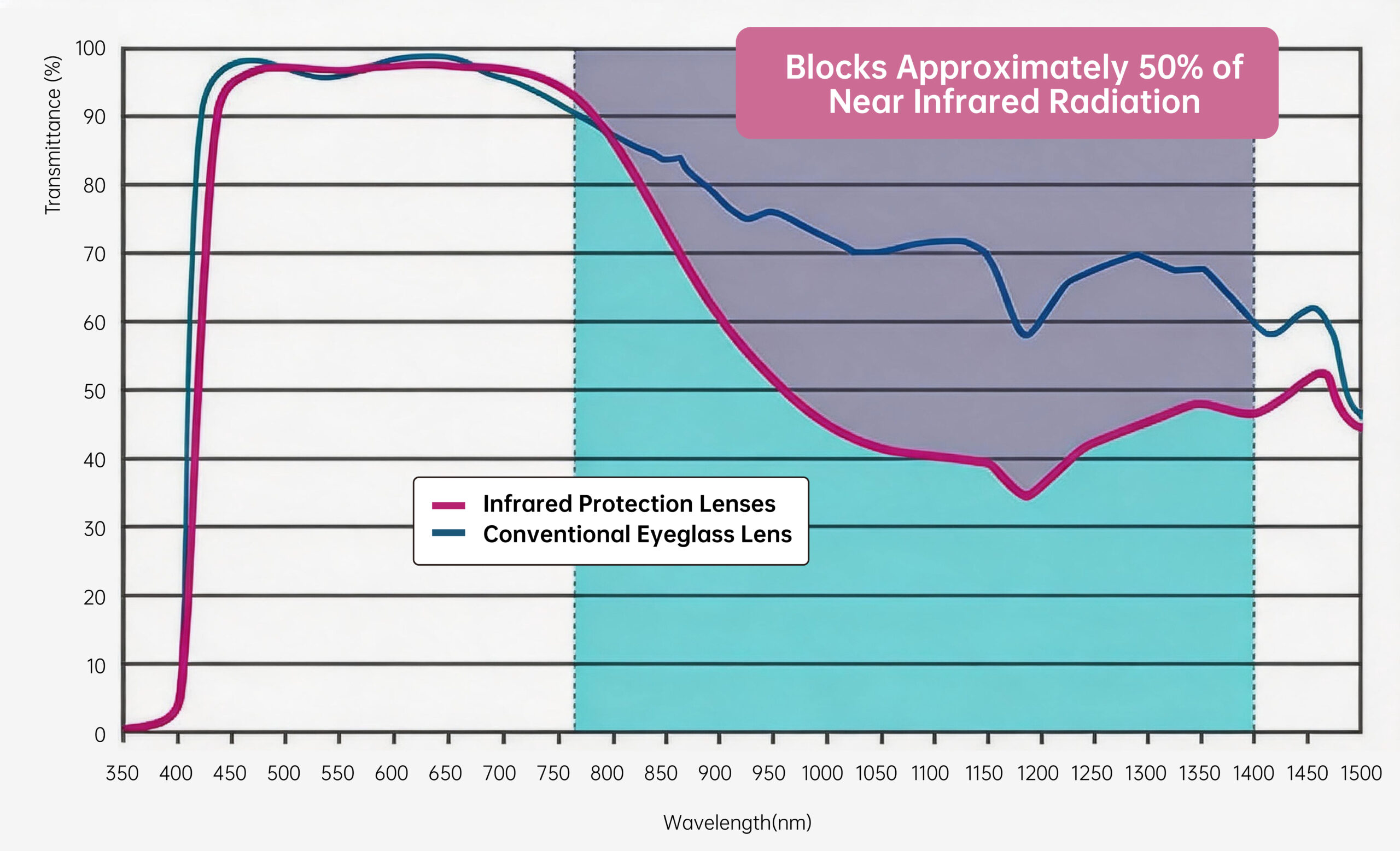
2. Infrared Protection Lenses – Protection Against Near Infrared Radiation
- Effectively blocks near infrared radiation, providing enhanced visual comfort, especially in bright outdoor environments.
- Helps reduce the impact of infrared heat on the delicate skin around the eyes, minimizing redness and reducing the appearance of pigmentation and under-eye bags.
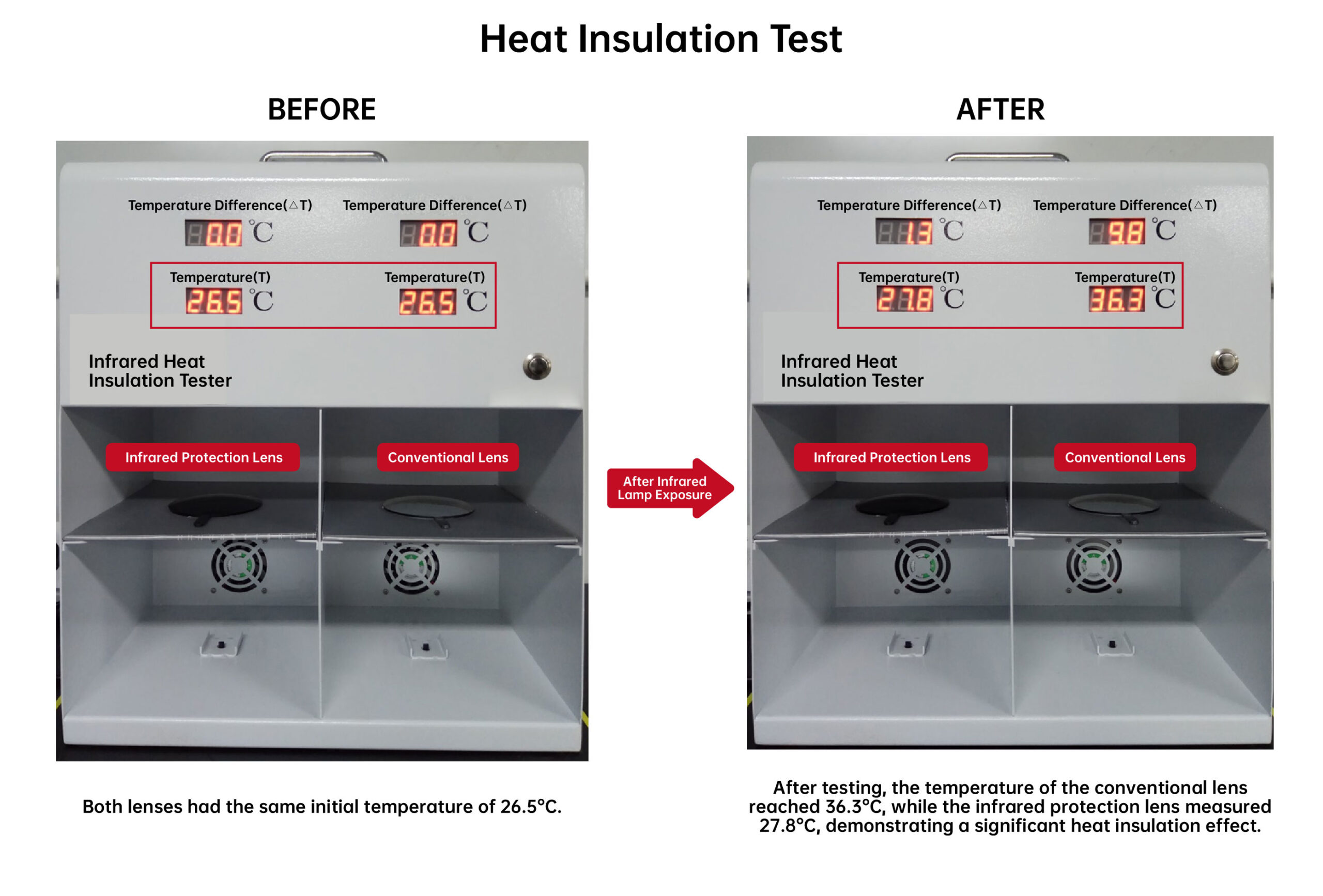
- Compared with conventional sunglass lenses, infrared protection lensescan lower the temperature perceived around the eyes by approximately 6°C–10°C. This helps improve comfort under strong sunlight and reduces heat buildup caused by infrared radiation.
3. Heat Insulation Test
Cataract Prevention Lenses
1. What is a Cataract?
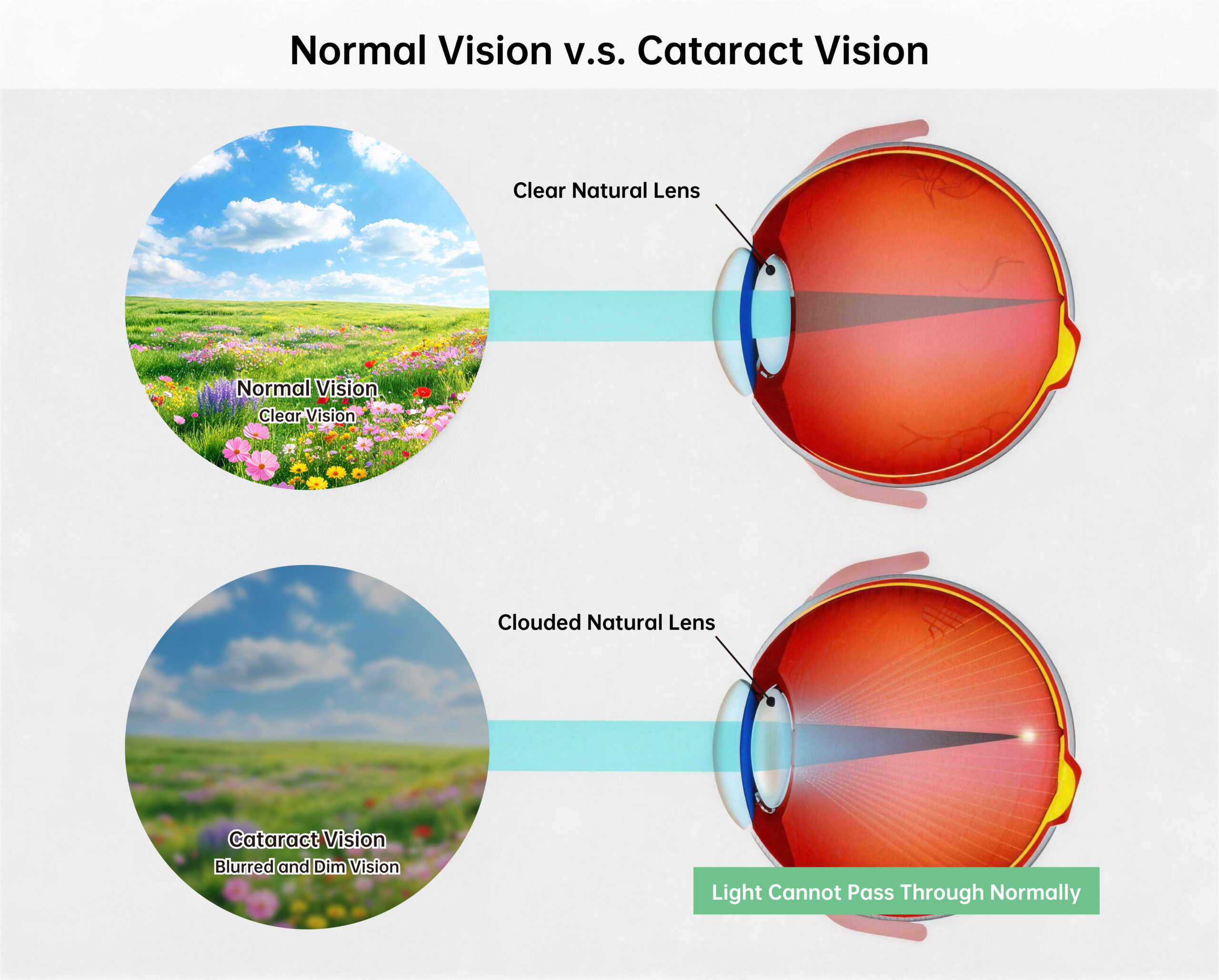
A cataract is a condition characterized by the gradual clouding of the eye’s natural lens, which can affect the passage of light through the eye. A variety of factors, including aging, genetic predisposition, metabolic changes, environmental influences, and long-term exposure to sunlight, have been associated with changes in lens transparency over time.
As the lens becomes less transparent, light may not reach the retina as efficiently, which can affect visual clarity and overall visual quality. Cataracts are among the most common age-related eye conditions and remain an important consideration in maintaining long-term eye health.
2. Reducing the Risk of Cataracts
While cataracts cannot always be prevented, certain lifestyle habits may help reduce risk factors associated with their development. These include maintaining proper hydration, following a balanced diet rich in vitamins, minerals, and protein, limiting unnecessary exposure to X-rays, infrared radiation, ultraviolet radiation, and harmful chemicals, as well as wearing appropriate sunglasses when outdoors.
3. What is a Cataract Risk-Reduction Lens?
A cataract risk-reduction lens is designed to manage exposure to specific wavelengths of light by filtering ultraviolet radiation and blue-violet light while allowing beneficial blue light to pass through. This approach helps optimize the light reaching the eye and supports overall visual comfort.
Key characteristics include:
1.UV protection exceeding 99.99%, providing a high level of protection against harmful ultraviolet radiation.
2. Selective blue light filtering technology, which reduces transmission of potentially harmful blue-violet light within the 415–445nmwavelength range while allowing beneficial blue light between 445–505nmto pass through. This selective filtering approach helps maintain natural color perception and may contribute to improved visual comfort during extended visual tasks.
What is a Color Enhancement Lens?
A Color Enhancement Lens is designed to improve the perception of color contrast and visual clarity by selectively filtering specific wavelengths of light. By optimizing the way certain colors are transmitted to the eye, these lenses can help make colors appear more vivid and distinguishable while maintaining a natural visual experience.
Compared with conventional lenses, color enhancement lenses are developed to provide greater contrast between objects and their surroundings, which may contribute to improved visual definition in a variety of outdoor environments. This technology is commonly used in applications where enhanced color perception and visual comfort are desired.
1. Increased Color Contrast and Color Accuracy
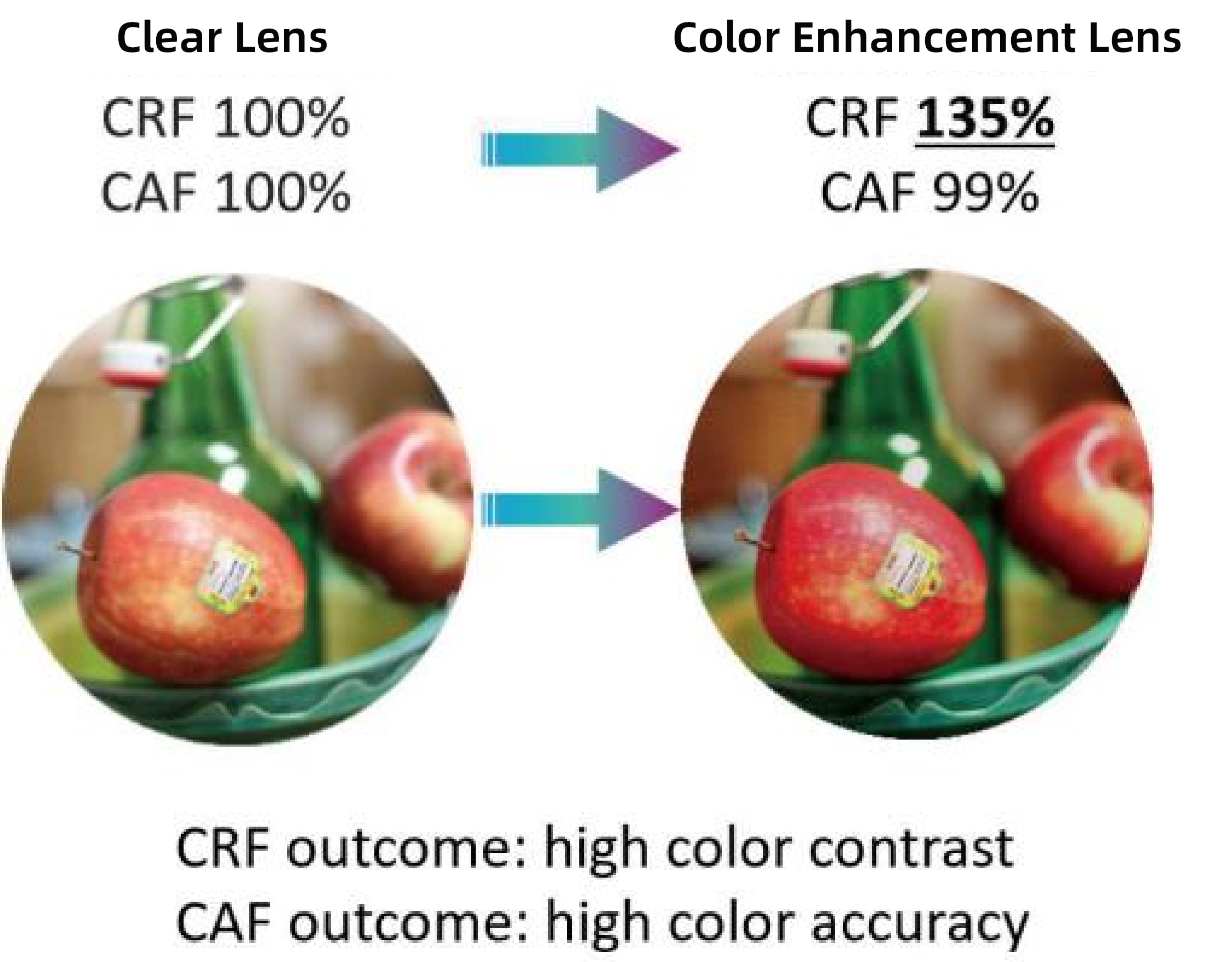
2. Color Enhancement Performance Comparison
- Enhances the intensity of yellow, orange, and red tones, resulting in richer and more vibrant color expression.
- Provides clearer vision while helping reduce eye fatigue caused by glare, haze, and unwanted color noise.
- Highly accurate color reproduction enhances the visual experience, making the surrounding world appear more vivid and dynamic while contributing to greater enjoyment and confidence in everyday activities.
—————————————————————–
The above information is from CHENGYI OPTICAL CO., LTD.